
MEDITATION EXPRESS
Meditation & Yoga is an essential travel partner on your journey of personal transformation.
Read More Bliss Prague
Your Sanctuary for Inner Wellness in Prague
Bliss Prague
Your Sanctuary for Inner Wellness in Prague
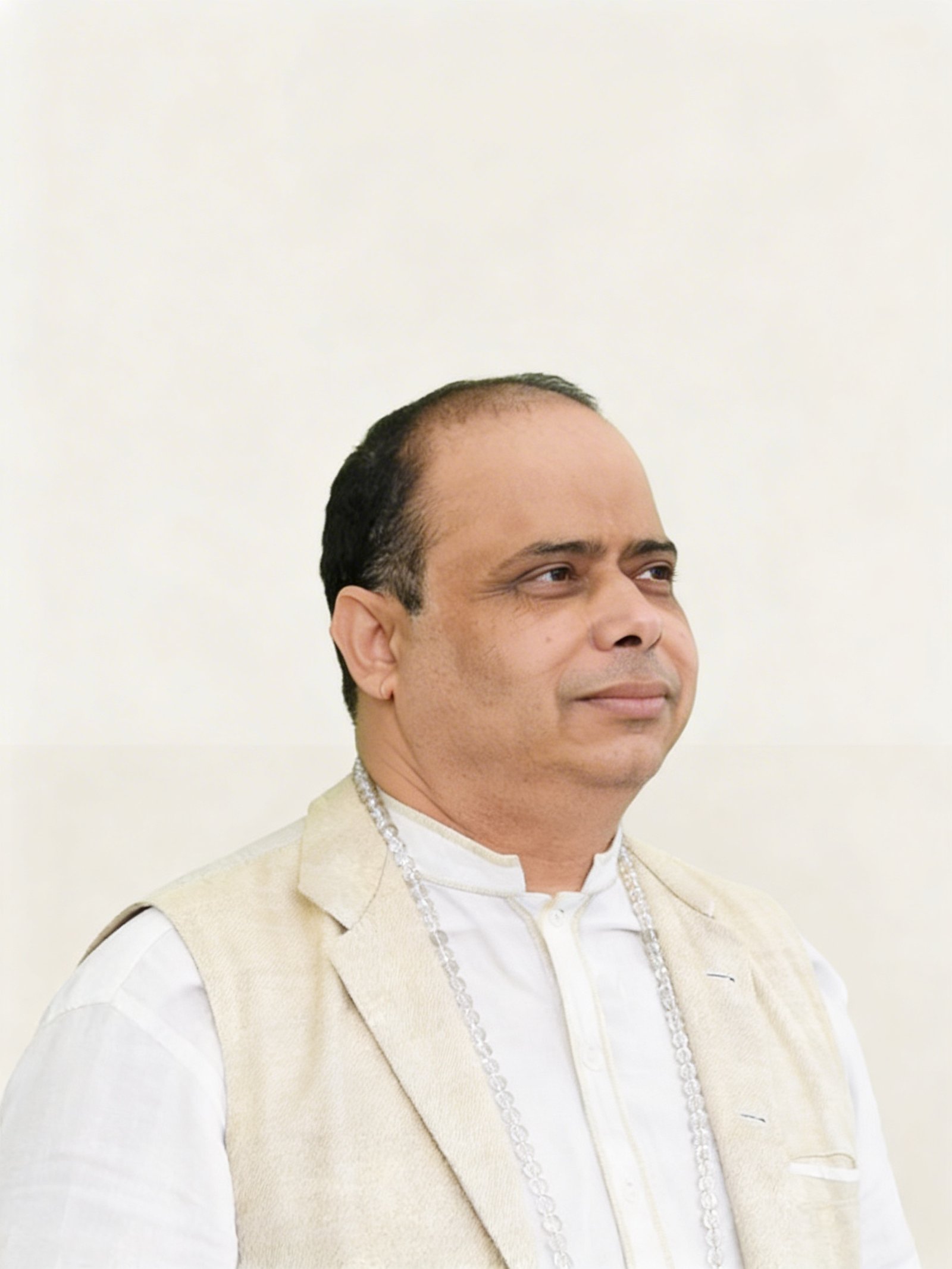 Bheem Sain Arora · Prague
about us
Welcome to Bliss Prague: Your Gateway to Transformation
Greetings from the heart of Prague, where Bliss Prague stands as your sanctuary for spiritual awakening and physical rejuvenation. I am Bheem Sain Arora, and within this enchanting city, I am honored to be your guide on a transformative journey towards well-being and inner harmony. My odyssey commenced amidst India's spiritual landscapes, where I embarked on an enlightening exploration of Eastern mystical arts. Over two transformative decades, I dedicated myself to this path, nurturing a profound wellspring of wisdom. In 2023, my journey led me to Prague, a vibrant city where my roots found fertile ground. Here, my life's purpose crystallized – to establish a nurturing community offering solace to weary minds, bodies, and souls, guiding them on their awakening journey.
View more01 / 04
Guided meditations, calming music, and insightful resources to foster mental well-being.
34 services and courses
0services
0courses
0pillars
 02Transcendental Meditation
 03Loving-Kindness Meditation
 04Chakra Meditation
 05Mantra Meditation
 06Violet Flame Meditation
 07Sound Bath Meditation
 08Love Light Healing Meditation
 09Breathing Exercises (Pranayama)
03 / 04
Emphasize a holistic approach to guidance, considering various aspects of life—personal, professional, mental, and emotional.
04 / 04
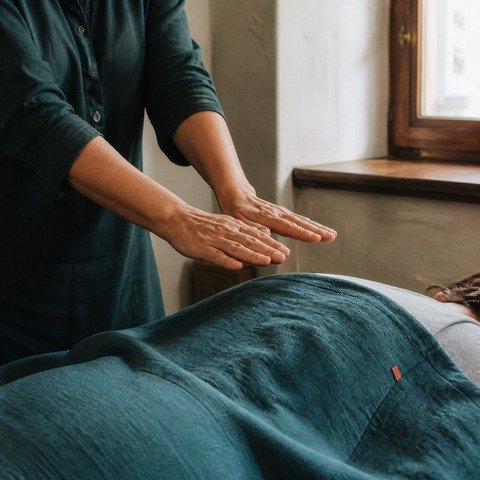
Reiki and Holistic Services encompass a range of alternative healing practices focused on the mind, body, and spirit.
 02Reiki Distance Healing
 03Intense Healing
 04Crystal Healing
 05Chakra Balancing and Energy Clearing
 06Reiki For Pets
 07Reiki For Plants
Courses
Embark on a transformative journey toward inner peace and mindfulness through our Reiki course
 Reiki Training Prague | Bliss Prague -Learn Reiki Prague Healing Course
02
Reiki Training Prague | Bliss Prague -Learn Reiki Prague Healing Course
02 Advanced Reiki Training Prague | Bliss Prague - Master Healer Course
03
Advanced Reiki Training Prague | Bliss Prague - Master Healer Course
03 Master Reiki Practitioner Training Prague | Bliss Prague -Reiki Mastership Course
04
Master Reiki Practitioner Training Prague | Bliss Prague -Reiki Mastership Course
04 Grand Master Reiki Practitioner Training Prague | Bliss Prague -Master Reiki Teacher
05
Grand Master Reiki Practitioner Training Prague | Bliss Prague -Master Reiki Teacher
05 Karuna Reiki Course Prague | Bliss Prague - Karuna Reiki Level I and II Course
06
Karuna Reiki Course Prague | Bliss Prague - Karuna Reiki Level I and II Course
06 Crystal Healing Course Prague | Bliss Prague -Crystal Healing Classes
07
Crystal Healing Course Prague | Bliss Prague -Crystal Healing Classes
07 Vedic Astrology Course Prague | Bliss Prague -Astrology Practitioner Training
08
Vedic Astrology Course Prague | Bliss Prague -Astrology Practitioner Training
08 Tarot Card Reading Course Prague | Bliss Prague -Tarot Classes
09
Tarot Card Reading Course Prague | Bliss Prague -Tarot Classes
09 Tratak Vigyan Course Prague | Bliss Prague -Tratak Vigyan Classes
Directory

Get quick answers to common queries, ensuring clarity and ease in your journey through our products and services.
Explore
Access a wealth of valuable content, including articles, guides, and tips, to empower your knowledge and growth.
Explore
Dive into in-depth insights, expert advice, and comprehensive articles, enhancing your understanding of specific topics.
Explore
Discover the joy of choice with our perfect gift certificates, allowing you to share happiness with your loved ones
ExploreWatch
Metaphysical causes of disease
Every condition carries an emotional and energetic dimension alongside the physical one. Search a condition to read its metaphysical reading, and how Bliss Prague works alongside medical care.
Complementary to, not a replacement for, medical care.
Calendar
Embark on a transformative journey within during our meditation retreat. Dive deep into mindfulness practices and introspection for holistic well-being.
Stories
Explore a series of insightful blogs dedicated to the art and science of meditation. mmerse yourself in the world of Reiki through our collection of informative blogs.
Meditation · Uncategorized · Violet Flame Meditation
0 Comments
Breathing Exercises (Pranayama) · Meditation · Uncategorized
0 Comments
Chakra Meditation · Meditation · Uncategorized
0 Comments